

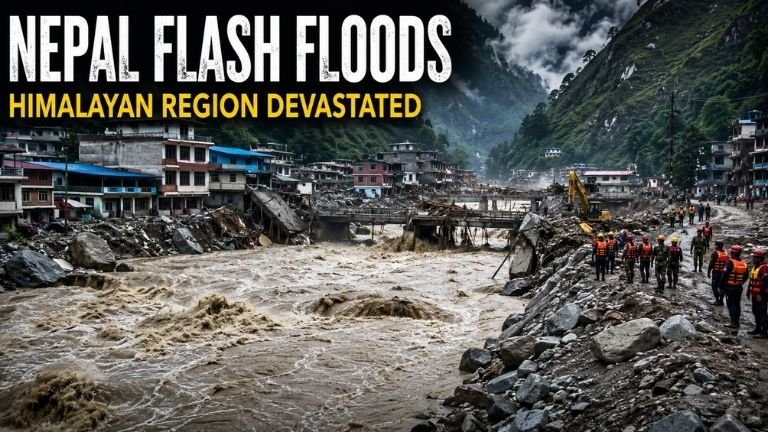
Nepal Flash Floods Leave a Trail of Destruction enters 5th day
A devastating flash flood has caused widespread destruction across parts of Nepal’s Himalayan region, with homes, roads, bridges, markets and key infrastructure damaged by a sudden and powerful surge of water.
The flooding was reported on August 26 in areas including Rasuwa and along sections of the Bhote Koshi and Trishuli river systems. Water levels rose rapidly, leaving communities with little time to respond as floodwaters swept through vulnerable areas.
The disaster has created a major emergency in the mountainous region, where difficult terrain and damaged transportation links are making rescue and relief operations particularly challenging.
Nepal Flash Floods Leave a Trail of Destruction enters 5th day – According to preliminary information, authorities and experts are investigating whether an ice avalanche or a collapse involving ice and rocks in the Tibet region triggered the sudden surge of water downstream. The exact cause and sequence of events are still being examined.
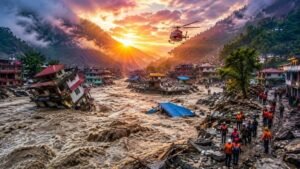
Massive Damage Reported Across Affected Areas
The sudden flooding has damaged several types of infrastructure across the affected areas. Houses, roads, bridges, marketplaces and hydropower facilities have reportedly been impacted, disrupting daily life and cutting off important connections between communities.
The destruction of bridges and roads is particularly concerning because many Himalayan settlements depend on a limited number of transportation routes. When those routes are damaged or washed away, emergency teams can face serious difficulties reaching people who need immediate assistance.
The mountainous geography adds another layer of complexity to the response. Steep slopes, unstable ground and debris left behind by the flood can make it dangerous for rescue personnel to enter certain locations.
The number of casualties and missing people has also been changing as authorities continue to collect information from remote areas. Reports indicate that hundreds of people have died, while many others remain unaccounted for. Rescue teams are continuing search operations in an effort to locate missing residents and assist those affected by the disaster.
What May Have Caused the Sudden Flood?
One of the key questions surrounding the disaster is what caused such a rapid rise in water levels.
In high-altitude Himalayan regions, glaciers, ice formations, rocks and mountain slopes can become unstable. Events such as ice avalanches, landslides or sudden releases of water can send huge quantities of water and debris into river systems within a short period.
Such events can be especially dangerous for communities located downstream. Unlike slower-rising floods, flash floods can develop extremely quickly, leaving residents and authorities with limited time to issue warnings or evacuate vulnerable areas.
In this case, officials are examining the possibility that an upstream event in the Tibet region contributed to the sudden rise in the Bhote Koshi River. However, the investigation is ongoing, and further assessment will be required to establish exactly what happened.
The incident once again highlights the risks faced by communities living close to rapidly changing Himalayan rivers and mountain slopes.
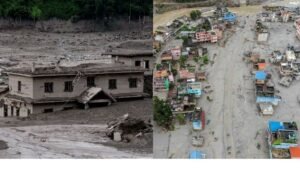
Rescue and Relief Operations Underway
Search-and-rescue operations are continuing across the affected parts of Nepal. Emergency teams are working to locate missing people, evacuate residents from dangerous areas and provide assistance to communities affected by the flooding.
However, damaged roads and bridges have made access to some locations extremely difficult. In mountainous areas, even under normal circumstances, transportation can be challenging. After a major flood, washed-out roads, collapsed bridges and large amounts of debris can make the situation considerably worse.
Medical assistance is also an important part of the emergency response. People who have lost their homes or have been displaced may require medical care, clean drinking water, food and temporary shelter.
According to the World Health Organization, around 10,000 families affected by the floods require immediate assistance. Damage to homes and health facilities has increased concerns about access to healthcare, safe water and sanitation services.
These needs become particularly urgent in the aftermath of a major flood because contaminated water and damaged sanitation systems can increase public-health risks.
Challenges Ahead for Himalayan Communities
The immediate priority remains saving lives and supporting people who have been affected. But the disaster is also expected to create longer-term challenges for communities in the region.
Rebuilding damaged bridges and roads could take considerable time, particularly in remote mountainous areas. Hydropower facilities and other infrastructure may also require extensive repairs before normal operations can resume.
For families who have lost homes or livelihoods, recovery could be even more difficult. Local authorities and relief agencies will need to coordinate closely to ensure that essential supplies and services reach isolated communities.
The disaster also underscores the importance of early-warning systems in areas vulnerable to flash floods. Timely information about sudden changes in river levels or upstream hazards can provide communities with valuable minutes to move to safer locations.
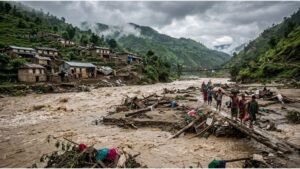
A Developing Disaster Situation
The situation in Nepal remains fluid as rescue teams continue their work and authorities assess the full extent of the destruction. Casualty figures, missing-person numbers and damage estimates may change as teams reach more remote locations and receive additional information.
The flash floods in the Himalayan region have demonstrated how quickly extreme events can transform normally active river valleys into disaster zones.
For the people living along the Bhote Koshi and Trishuli river systems, the immediate focus is on survival, rescue and recovery. As search operations continue, authorities face the difficult task of reaching isolated communities while also dealing with damaged infrastructure and challenging mountain conditions.
The full impact of the disaster will become clearer in the coming days as assessment teams gather more information. For now, rescue and relief efforts remain the top priority as Nepal responds to one of the region’s most serious recent flooding emergencies.