

Iran is currently facing a deep economic crisis as inflation continues to surge across the country. Rising tensions, economic instability, and the weakening of the national currency have pushed the prices of everyday essentials to unprecedented levels. Basic food items such as milk, bread, rice, eggs, and cheese have become extremely expensive, making it difficult for ordinary citizens to manage their daily expenses.
One of the most striking examples of this inflation is the price of milk. In Iran, the price of one liter of milk has reportedly reached around 820,000 Iranian rials, highlighting the severity of the country’s inflation crisis. The rapid increase in food prices has placed immense pressure on households, especially low-income families.
Iran’s Economy Under Severe Pressure
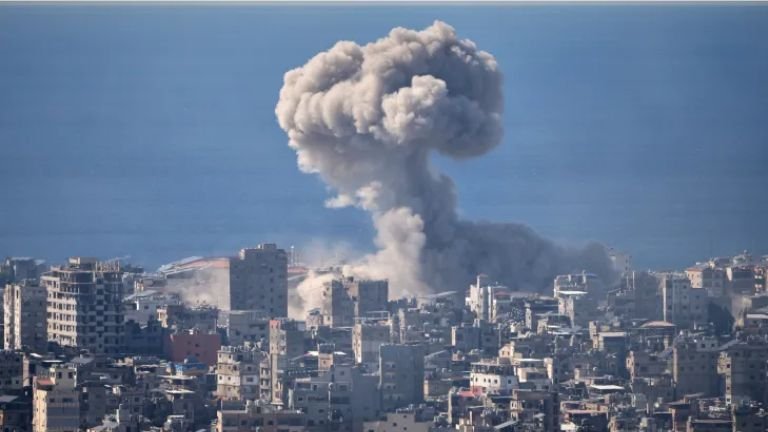
Iran’s economy has been under intense pressure due to multiple factors, including geopolitical tensions, economic sanctions, and internal financial challenges. The recent escalation of conflicts involving Israel and the United States has further worsened the economic situation.
As a result, inflation in Iran has skyrocketed, and the purchasing power of the Iranian rial has significantly declined. Businesses are struggling with rising costs, and consumers are facing increasing difficulties in purchasing basic necessities.
The situation has become particularly challenging for middle-class and lower-income families who rely on affordable food items for their daily survival. Many households are now forced to reduce consumption or search for cheaper alternatives.

Prices of Essential Food Items Continue to Rise
The sharp rise in the prices of essential goods has become a major concern for Iranian citizens. Several commonly used food products have seen dramatic price increases in recent months.
Here are some examples of current prices for everyday food items in Iran:
- Milk: 1 liter costs about 820,000 Iranian rials
- Bread: 500 grams of fresh white bread costs around 660,000 rials
- Rice: 1 kilogram of white rice costs approximately 2 million rials
- Eggs: A pack of 12 large eggs costs about 45 million rials
- Cheese: 1 kilogram of locally produced cheese costs nearly 2 million rials
These prices clearly show how rapidly inflation has affected basic commodities. For many people, even purchasing essential food items has become increasingly difficult.
Inflation Was Already Rising Before the Conflict
It is important to note that Iran was already facing inflation problems even before the recent conflict intensified. Over the past several months, the country has witnessed continuous increases in the prices of goods and services.
According to data from Iran’s central bank, Bank Markazi, the inflation rate reached 42.4% in December 2025. Such high inflation levels indicate deep structural issues in the country’s economy.
Persistent inflation has gradually eroded the value of salaries and savings, leaving many citizens struggling to maintain their standard of living.
Government Measures to Stabilize the Currency
To address the ongoing currency crisis, the Iranian government has introduced several measures aimed at stabilizing the rial. One of the most notable proposals involves removing four zeros from the national currency.
Under this plan, 10,000 rials would effectively become equal to 1 new rial. The Iranian parliament has already approved this reform as part of a broader effort to simplify transactions and restore confidence in the currency.
However, economists warn that currency redenomination alone may not solve the deeper economic issues unless inflation is brought under control and economic stability is restored.
Iranian Rial Hits Historic Lows
The Iranian rial has experienced a significant depreciation against major global currencies. In the open market, one US dollar is currently valued at around 1.35 million Iranian rials.
Similarly, one Indian rupee is worth more than 14,000 Iranian rials, highlighting how sharply the national currency has weakened over time.
The rapid depreciation of the rial has further fueled inflation, as imported goods become more expensive. This has created a vicious cycle where currency weakness and rising prices continue to reinforce each other.
Economic Growth Slowing Down
Iran’s overall economic growth has also slowed considerably in recent years. According to estimates from the International Monetary Fund (IMF), the country’s GDP growth has declined steadily.
- 2023: GDP growth was 3%
- 2024: Growth slowed to 7%
- 2025: Growth dropped sharply to just 6%
This slowdown reflects the broader economic challenges facing the country. With inflation remaining high and economic growth slowing, Iran’s economy continues to face a difficult road ahead.